
The Vibrant Heart of Yellow: Exploring Its Artistic Significance and Cultural Connections
- Beatrice Ruggeri
- May 23
- 3 min read

Yellow holds a unique place in the world of color. As the third primary color on the artistic color wheel, it commands attention with its brightness and warmth. This color is more than just a hue; it carries deep cultural meanings, energizes creative work, and offers benefits in art and color therapy. Exploring yellow’s qualities, its role in art, and its cultural significance reveals why it remains a powerful and inspiring color throughout history and today.
The Essential Qualities of Yellow
Yellow is often associated with light, energy, and optimism. It is the color of sunlight, ripe fruits, and blooming flowers, which naturally connects it to feelings of happiness and vitality. On the artistic color wheel, yellow is a primary color, meaning it cannot be created by mixing other colors. Instead, it serves as a foundation for creating a wide range of hues, especially when combined with blue or red to produce greens and oranges.
Yellow’s brightness makes it the most visible color to the human eye, which explains its frequent use in warning signs and safety equipment. This visibility also translates into art, where yellow can draw the viewer’s eye and create focal points. Its light-reflecting quality gives paintings a sense of warmth and openness.
Yellow and Energy in Art
Yellow’s connection to energy is evident in how artists use it to evoke movement, light, and life. The color stimulates mental activity and can inspire creativity. When used in artwork, yellow often conveys a sense of joy, spontaneity, and vitality. It can brighten compositions and balance darker tones, adding contrast and depth.
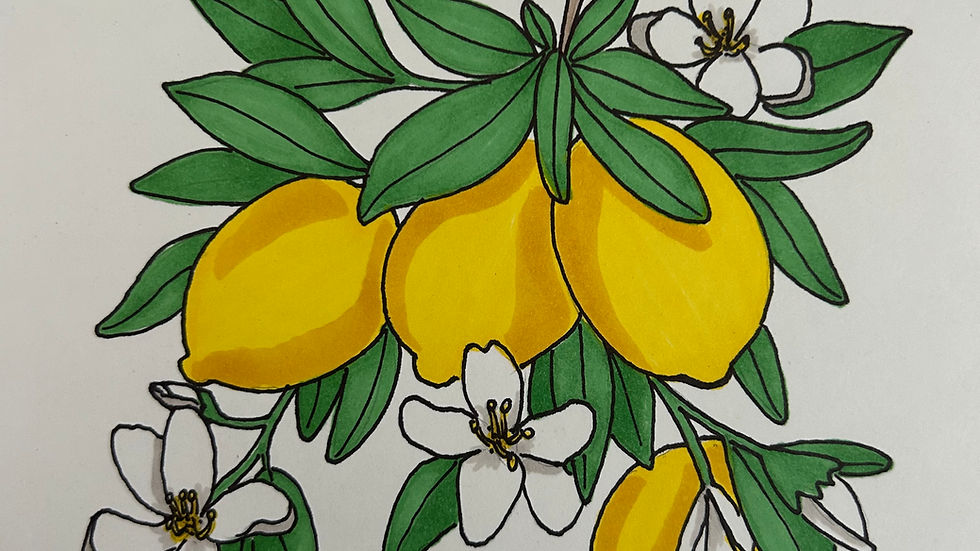
In painting, yellow pigments range from pale lemon to deep ochre, each bringing a different emotional tone. For example, lemon yellow feels fresh and lively, while ochre has an earthy, grounded quality. Artists choose specific yellows to influence the mood of their work and to guide the viewer’s emotional response.
Benefits of Using Yellow in Art and Color Therapy
Yellow’s impact goes beyond aesthetics. In color therapy, yellow is believed to stimulate the nervous system, boost concentration, and encourage optimism. It is often used to help lift mood and reduce feelings of anxiety or depression. The color’s association with clarity and intellect makes it a popular choice in environments designed to promote learning and communication.
Artists who incorporate yellow into their work may find that it helps them express energy and positivity. The color’s brightness can also improve the overall balance of a piece, preventing it from feeling too heavy or somber. In therapeutic settings, yellow’s uplifting qualities support emotional healing and mental clarity.
An Artist Who Embraced Yellow: Vincent van Gogh
Vincent van Gogh is one of the most famous artists known for his distinctive use of yellow. His paintings often feature vibrant yellows that capture sunlight and emotion with intensity. Works like Sunflowers and The Yellow House showcase his ability to use yellow not just as a color but as a symbol of hope and warmth.
Van Gogh’s use of yellow was deeply personal. He saw it as a color that could express his inner feelings and connect with viewers on an emotional level. His bold application of yellow paint helped define his style and left a lasting impact on modern art.
Cultural References and Curiosities About Yellow
Yellow carries different meanings across cultures. In many Eastern traditions, yellow symbolizes royalty, wisdom, and spirituality. For example, in China, yellow was historically reserved for emperors and is linked to power and prosperity. In contrast, some Western cultures associate yellow with caution or cowardice, showing how color symbolism varies widely.
A fascinating curiosity about yellow is its role in ancient art and dye-making. The pigment known as “orpiment,” a bright yellow mineral, was used by artists for centuries despite its toxicity. This shows how valuable yellow was considered, even when it posed risks.
The Lasting Importance of Yellow in Art and Culture
Yellow remains a vital color in both historical and contemporary contexts. Its ability to convey energy, optimism, and clarity makes it indispensable in artistic expression and therapeutic practices. Whether used to brighten a canvas or to influence mood, yellow continues to inspire and connect people across cultures.
Artists today still explore yellow’s potential, experimenting with new pigments and digital media to harness its power. Its presence in art and culture reminds us of the importance of light and energy in human experience.
Yellow’s role as a primary color on the artistic color wheel ensures it will always be a building block for creativity. Its cultural richness and psychological effects make it a color worth understanding and appreciating deeply.
Exploring Your Connection with Yellow
Now that you know more about this vibrant color, take a moment to reflect. What do you think your personal and artistic connection with yellow is? How does it resonate with your experiences and emotions?


Comments